Marketing Digital Marketing
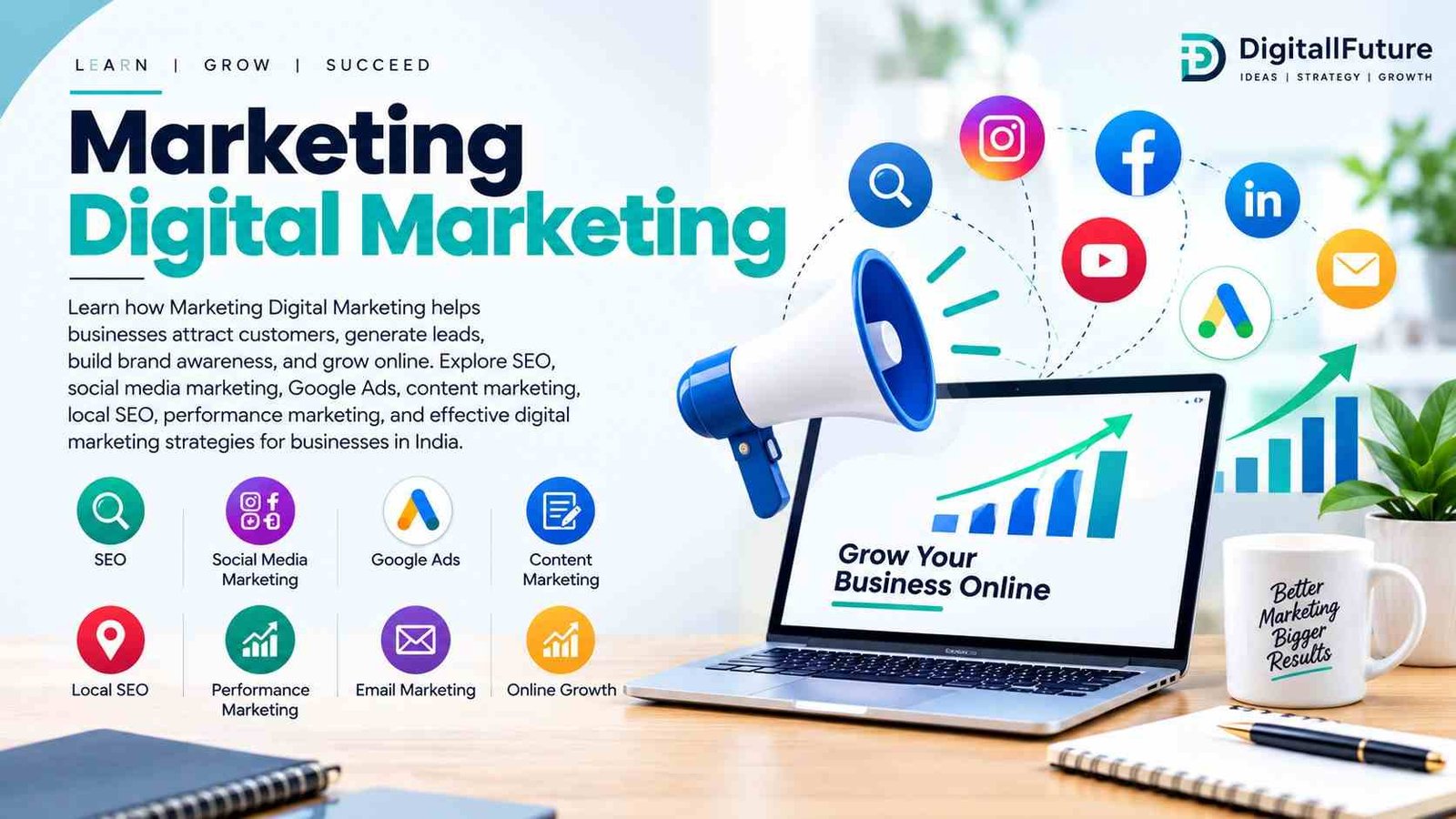
Learn effective Marketing Digital Marketing strategies to attract customers, generate leads, build your online presence and grow your business in India.
Introduction
The way people discover and choose businesses has changed. Today, customers search on Google, explore social media, watch videos, compare websites and read reviews before making a buying decision.
This is where Digital Marketing becomes important. Businesses can use online channels to reach the right audience, build trust, generate leads and increase sales.
Whether you are a startup, small business, local business or growing brand, having a clear digital marketing strategy can help you compete in today's online market.
What Is Digital Marketing?
Digital Marketing is the process of promoting a business, product or service through online channels such as search engines, websites, social media, email, video platforms and paid advertising.
What Is Digital Marketing?
Digital Marketing refers to marketing activities performed through digital channels. Instead of depending only on newspapers, television, radio or traditional advertising, businesses can reach customers through the internet.
For example, a local restaurant in Chandigarh can use Google Search, Google Business Profile, Instagram and paid ads to attract customers from Chandigarh, Mohali and Panchkula.
A B2B company, on the other hand, may use SEO, LinkedIn, content marketing and email marketing to generate business leads.
Why Is Digital Marketing Important?
Digital Marketing gives businesses the ability to reach potential customers where they already spend their time: online.
- Reach more customers: Connect with people beyond your immediate location.
- Build brand awareness: Make your business easier to discover online.
- Generate leads: Attract potential customers through targeted campaigns.
- Increase sales: Move customers from awareness to purchase.
- Measure performance: Track clicks, leads, conversions and revenue.
- Target specific audiences: Reach customers based on location, interests, search behaviour and demographics.
Types of Digital Marketing
Digital Marketing includes several channels. Businesses do not necessarily need to use every channel. The right combination depends on their audience, goals and budget.
Search Engine Optimization (SEO)
SEO helps websites appear organically in search engine results. It can increase visibility and bring relevant visitors without paying for every click.
Social Media Marketing
Social Media Marketing uses platforms such as Instagram, Facebook, LinkedIn and other social networks to build awareness and engagement.
Google Ads and PPC
PPC advertising allows businesses to show ads to people actively searching for relevant products and services.
Content Marketing
Content marketing uses blogs, guides, videos, infographics and other useful content to educate and attract potential customers.
Email Marketing
Email marketing helps businesses communicate with existing customers and leads through useful updates, offers and information.
Local SEO
Local SEO helps businesses become more visible to people searching for products and services in a specific geographical area.
Video Marketing
Video marketing uses platforms such as YouTube and social media to educate audiences, demonstrate products and build trust.
Performance Marketing
Performance marketing focuses on measurable actions such as leads, sales, conversions and return on advertising spend.
Influencer Marketing
Businesses collaborate with relevant creators to introduce their products or services to an established audience.
Affiliate Marketing
Affiliate marketing allows partners to promote a business and earn a commission for qualified sales or actions.
How Does Digital Marketing Work?
A successful digital marketing campaign usually moves customers through different stages of the buying journey.
Awareness
Interest
Consideration
Conversion
Retention
For example, someone may first discover your business through Google. They may then visit your website, read your content, compare your services and finally contact you.
How to Create a Digital Marketing Strategy
A strategy gives your marketing activities direction. Instead of randomly posting content or running advertisements, define what you want to achieve and how you will measure success.
1. Define Your Business Goals
Start by deciding what you want to achieve. Your goal could be more website traffic, leads, sales, brand awareness or local customers.
2. Understand Your Target Audience
Identify who your ideal customers are, what problems they have, what they search for and which platforms they use.
3. Research Your Competitors
Study competing businesses to understand their keywords, content, advertisements, social media presence and customer experience.
4. Select the Right Channels
You do not need to use every marketing channel. Choose the channels that match your audience and business objectives.
5. Create Useful Content
Create content that answers customer questions and helps them make informed decisions. Blog posts, videos, guides, case studies and social media content can all contribute.
6. Optimize for Conversions
Your website should make it easy for visitors to take action. Use clear calls-to-action, simple forms, useful service pages and easy navigation.
7. Track and Improve Results
Monitor important metrics such as traffic, leads, conversion rate, cost per lead and return on advertising spend.
Simple Example
Imagine a local digital marketing business spends ₹30,000 on advertising in one month.
The campaigns generate 150 leads. That means the average cost per lead is approximately ₹200.
If 6 of those leads become customers, the business can then evaluate the revenue generated from those customers against the advertising and marketing costs.
Digital Marketing for Small Businesses
Small businesses do not always need large marketing budgets. They can start with focused activities that match their customers and location.
- Build a professional and mobile-friendly website.
- Optimize your Google Business Profile.
- Publish useful SEO-focused content.
- Build an active social media presence.
- Use Google Ads for high-intent searches.
- Collect genuine customer reviews.
- Track leads and conversions.
Digital Marketing in Chandigarh, Mohali and Panchkula
Local businesses in the Chandigarh Tricity area can use Digital Marketing to reach customers searching for nearby products and services.
For example, a business can target searches related to Digital Marketing in Chandigarh, Digital Marketing in Mohali and Digital Marketing in Panchkula.
Local SEO, Google Business Profile optimization, location pages, customer reviews and location-focused content can all support local visibility.
How Much Does Digital Marketing Cost in India?
There is no single fixed price for Digital Marketing. The cost depends on the services required, competition, business goals, target location and advertising budget.
| Service | Typical Purpose | Pricing Depends On |
|---|---|---|
| SEO | Organic search visibility | Competition, website size and scope |
| Social Media Marketing | Awareness and engagement | Platforms, content volume and strategy |
| Google Ads | Paid traffic and leads | Ad budget, keywords and competition |
| Website Development | Online presence and conversions | Features, pages and functionality |
| Performance Marketing | Leads and measurable conversions | Ad spend, channels and campaign goals |
Instead of choosing a service only because it is cheap, focus on the potential business outcome, quality of execution, reporting and long-term strategy.
Common Digital Marketing Mistakes
Many businesses invest in digital marketing but fail to get consistent results because of avoidable mistakes.
- Not defining a clear target audience.
- Trying to use every marketing channel at once.
- Publishing content without understanding search intent.
- Ignoring mobile users.
- Running advertisements without tracking conversions.
- Focusing only on likes and followers.
- Not measuring leads and sales.
- Expecting immediate results from SEO.
Digital Marketing vs Traditional Marketing
| Digital Marketing | Traditional Marketing |
|---|---|
| Online channels | Offline channels |
| Detailed targeting | Generally broader targeting |
| Real-time performance tracking | Measurement can be more difficult |
| Flexible campaign budgets | Often higher fixed media costs |
| Easy campaign optimization | Changes may take longer |
Benefits of Digital Marketing
- Increases online visibility.
- Helps businesses reach targeted audiences.
- Generates qualified leads.
- Supports sales growth.
- Builds brand credibility.
- Creates measurable marketing campaigns.
- Supports local and national growth.
- Allows businesses to test and optimize campaigns.
How to Choose a Digital Marketing Specialist or Agency
Choosing the right marketing professional or agency is important because your marketing investment should support measurable business goals.
- Check their experience and portfolio.
- Understand the services they provide.
- Ask how they measure results.
- Check whether they understand your industry.
- Ask about reporting and communication.
- Understand pricing and deliverables.
- Avoid unrealistic ranking or sales guarantees.
Why Choose DigitallFuture for Digital Marketing?
DigitallFuture focuses on practical digital marketing solutions designed to help businesses improve their online presence and generate meaningful results.
Services can include SEO, Google Ads, Social Media Marketing, Website Development, Performance Marketing, Analytics and other digital marketing solutions.
If you are a startup, small business or local business looking to improve your online marketing strategy, a focused approach can help you invest your time and budget more effectively.
Related Digital Marketing Guides
- Digital Marketing Services
- Digital Marketing Specialist
- Performance Marketing
- Marketing Strategies
- Social Media Marketing for Small Businesses
Frequently Asked Questions About Digital Marketing
Digital Marketing is the process of promoting products, services or brands through online channels such as search engines, websites, social media, email and paid advertising.
The main types include SEO, Social Media Marketing, Google Ads, PPC, Content Marketing, Email Marketing, Local SEO, Video Marketing, Performance Marketing, Influencer Marketing and Affiliate Marketing.
It helps small businesses reach their target audience, build awareness, generate leads, attract website visitors and compete with larger businesses.
Costs vary depending on the services, business goals, competition and advertising budget. A focused strategy can help businesses start with the channels most relevant to their customers.
Yes. Local businesses can use Local SEO, Google Business Profile, social media, Google Ads and location-based content to attract customers from nearby areas.
Final Thoughts
Digital Marketing is no longer optional for businesses that want to build a strong online presence. Customers are increasingly using search engines, websites, social media and online reviews to discover and evaluate businesses.
The best strategy is not necessarily to use every available channel. Instead, focus on the platforms and marketing activities that match your audience, business goals and budget.
Start with a clear strategy, measure your results and continuously improve your campaigns.
Ready to Grow Your Business Online?
Get a clear Digital Marketing strategy designed around your business goals, target audience and growth opportunities.
Get a Free Digital Marketing ConsultationRelated Keywords
Similar Posts
Explore more digital marketing, business, advertising and growth guides from DigitallFuture.
Digital Marketing Services
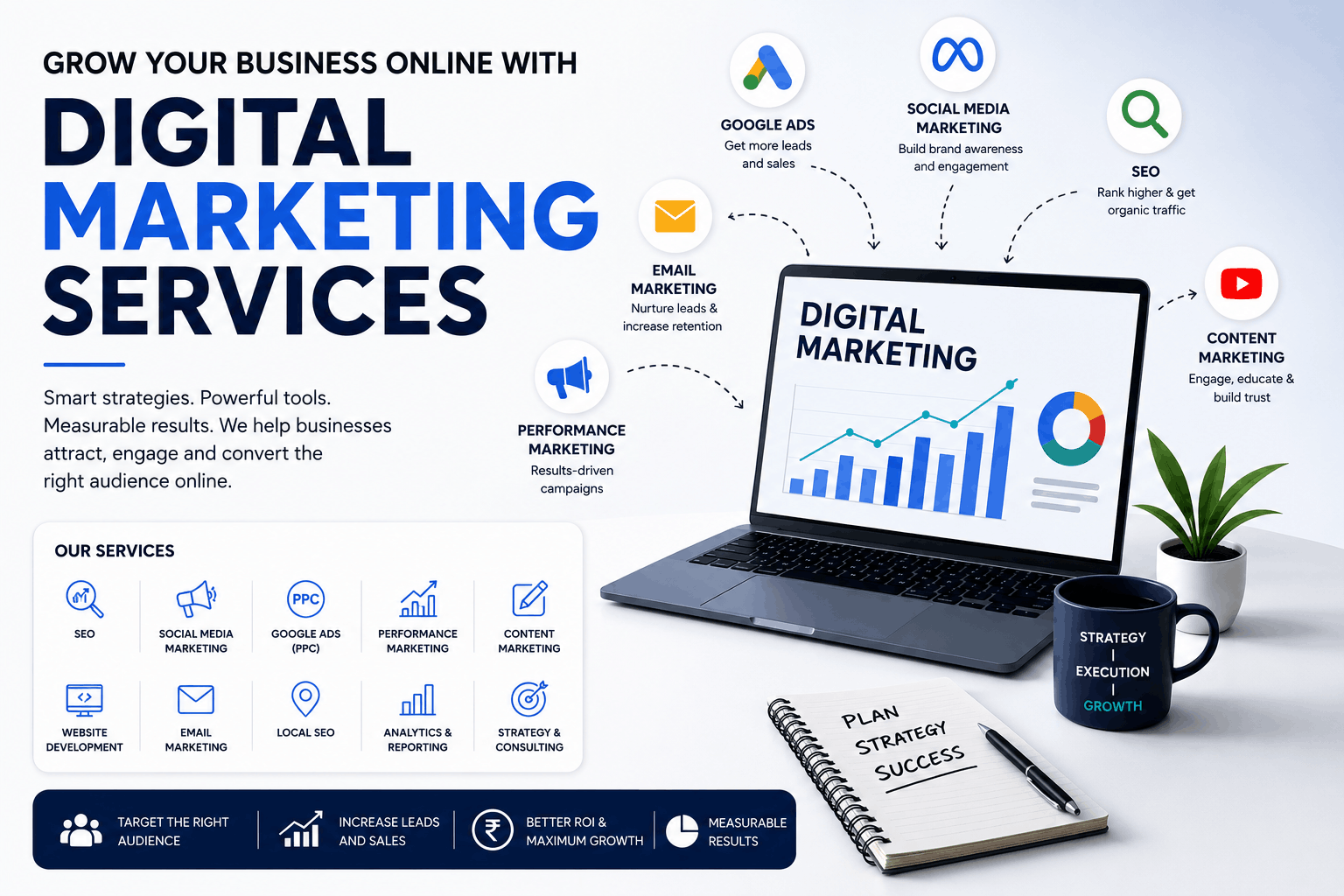
Discover important digital marketing services businesses can use to improve their online presence and generate more customers.
Read More →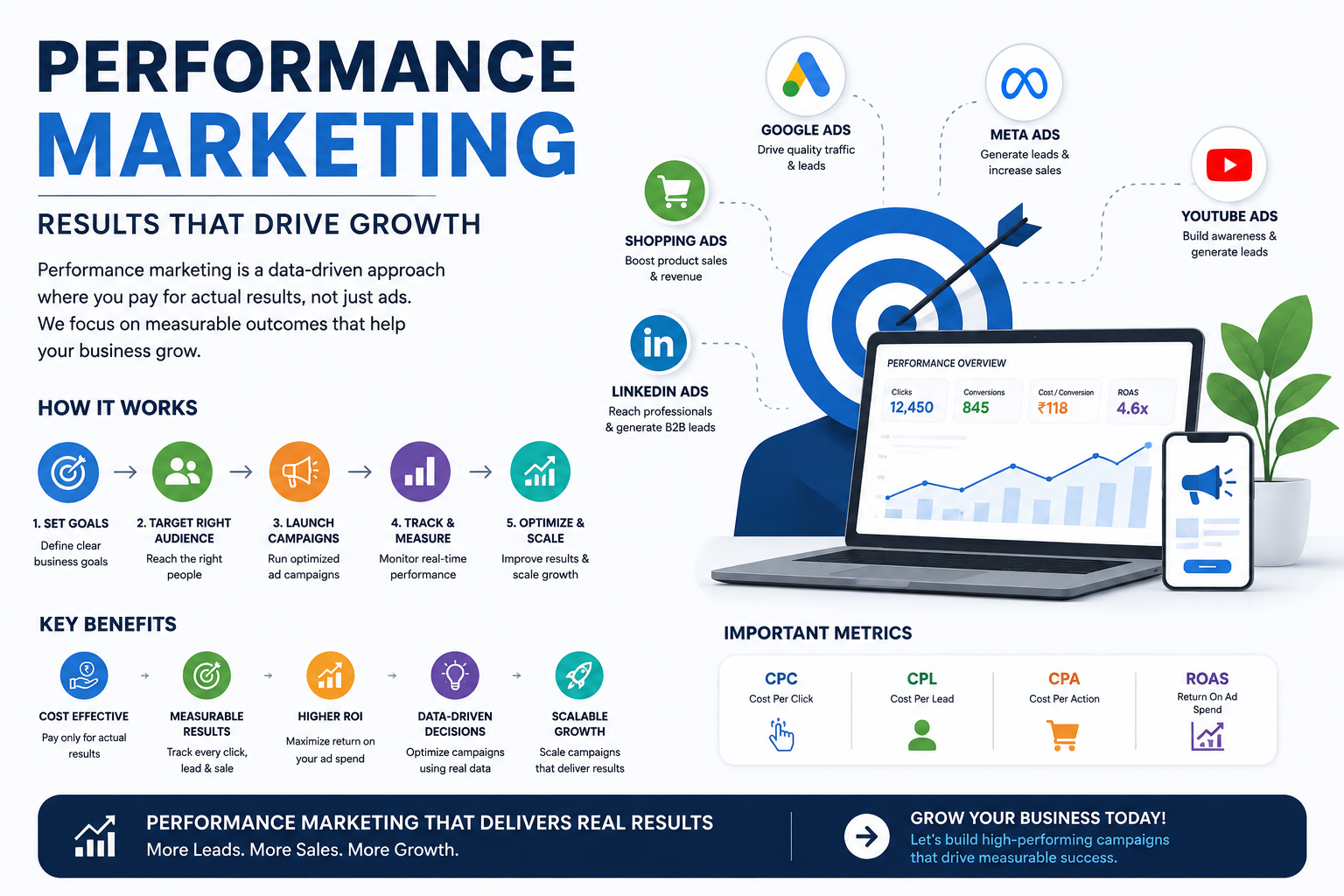
Performance Marketing
Learn how performance marketing can help businesses generate leads, increase conversions and improve advertising performance.
Read More →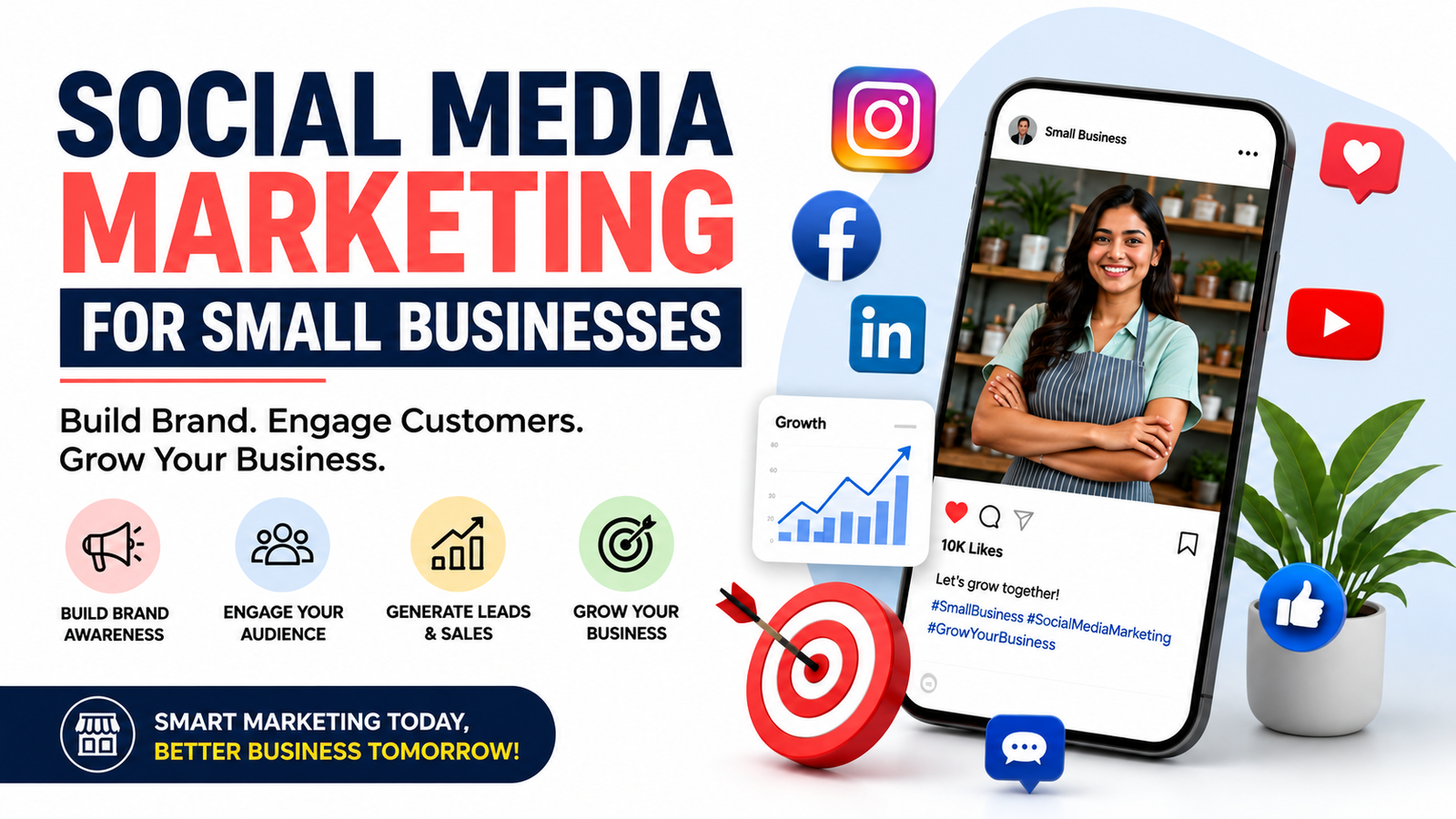
Social Media and Marketing
Learn how social media marketing can help startups and small businesses build their brand and reach more customers.
Read More →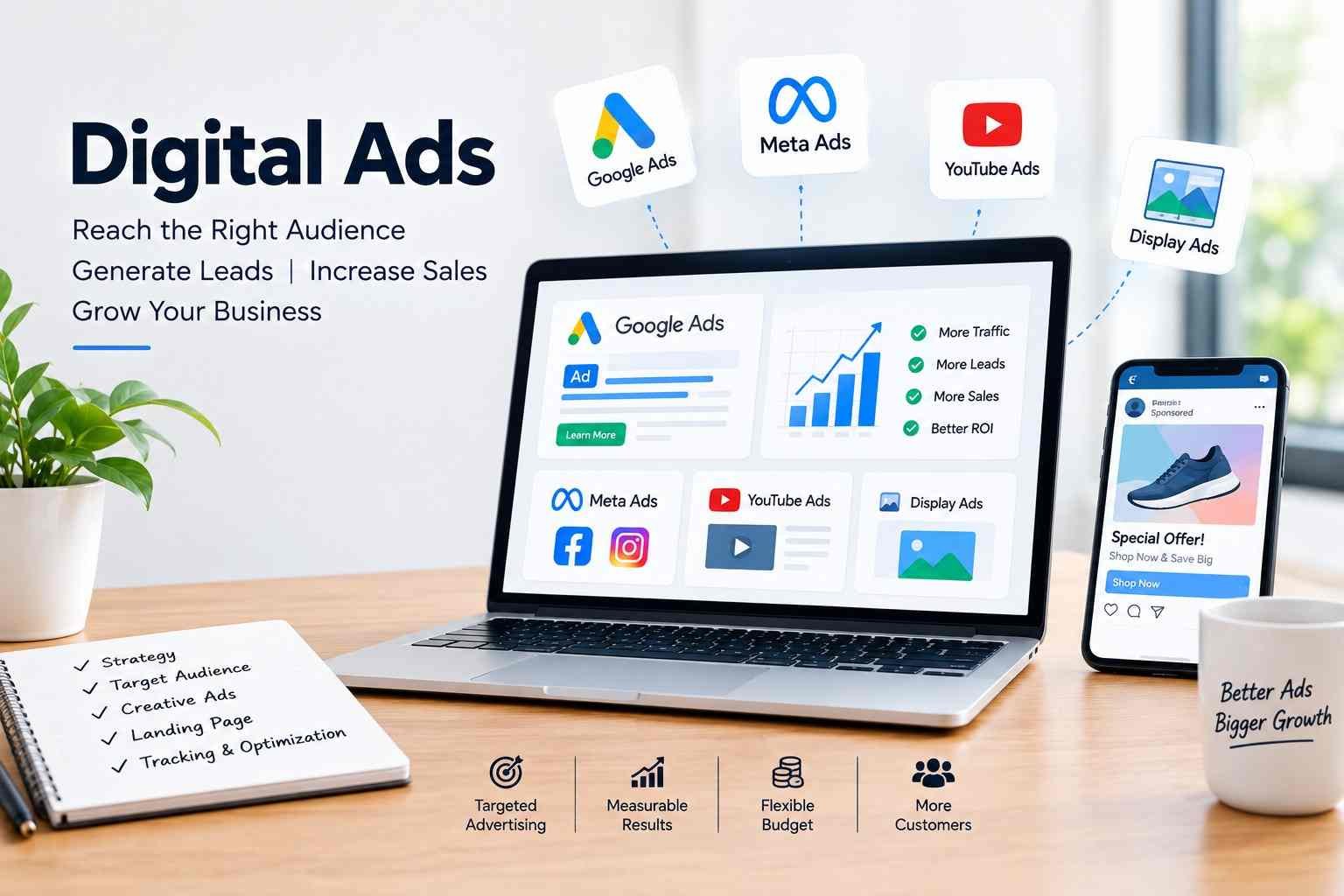
Digital Ads
Learn how digital advertising can help your business reach the right audience and generate more qualified leads.
Read More →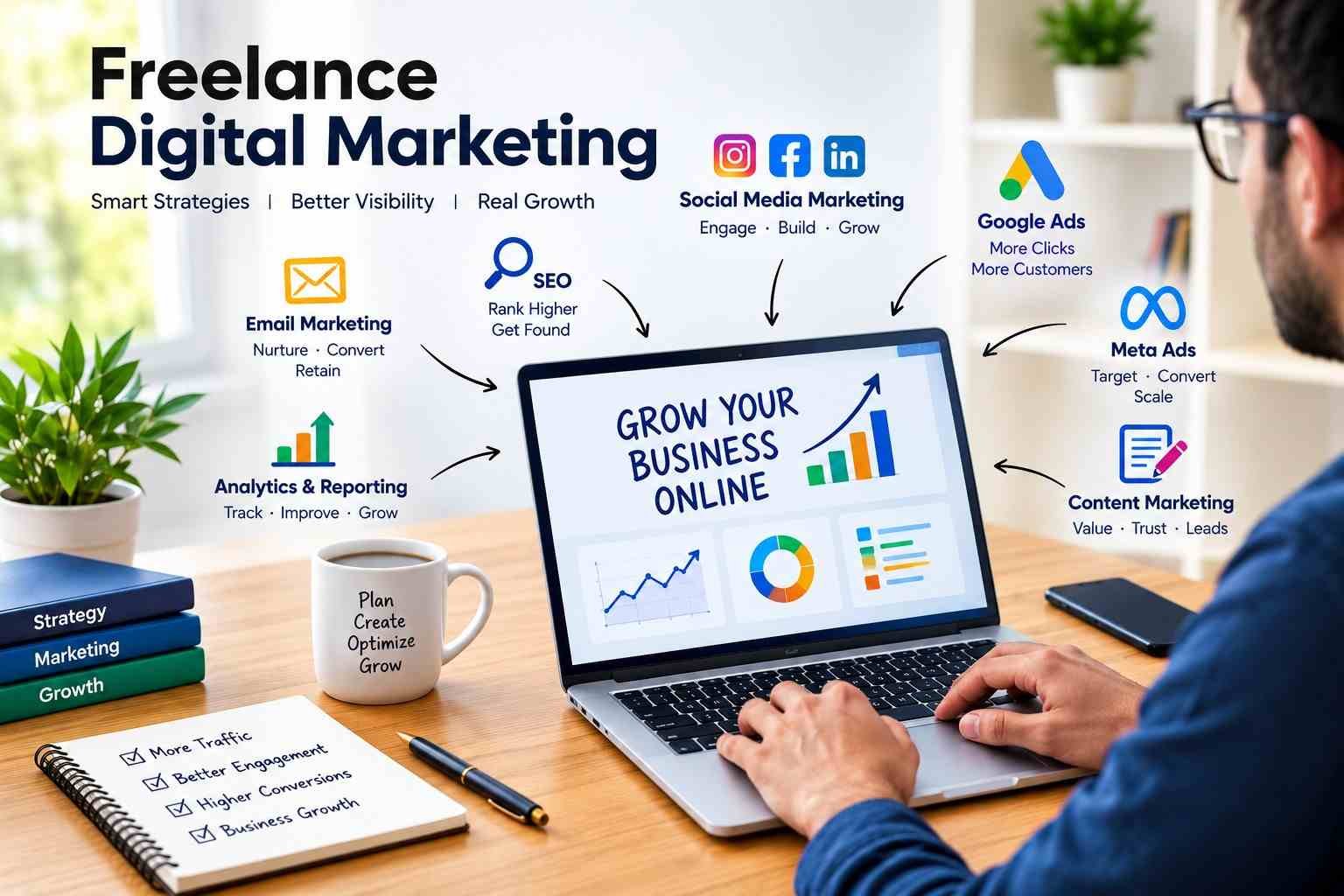
Freelance Digital Marketing
Learn how freelance digital marketing can help businesses build their online presence and attract more customers.
Read More →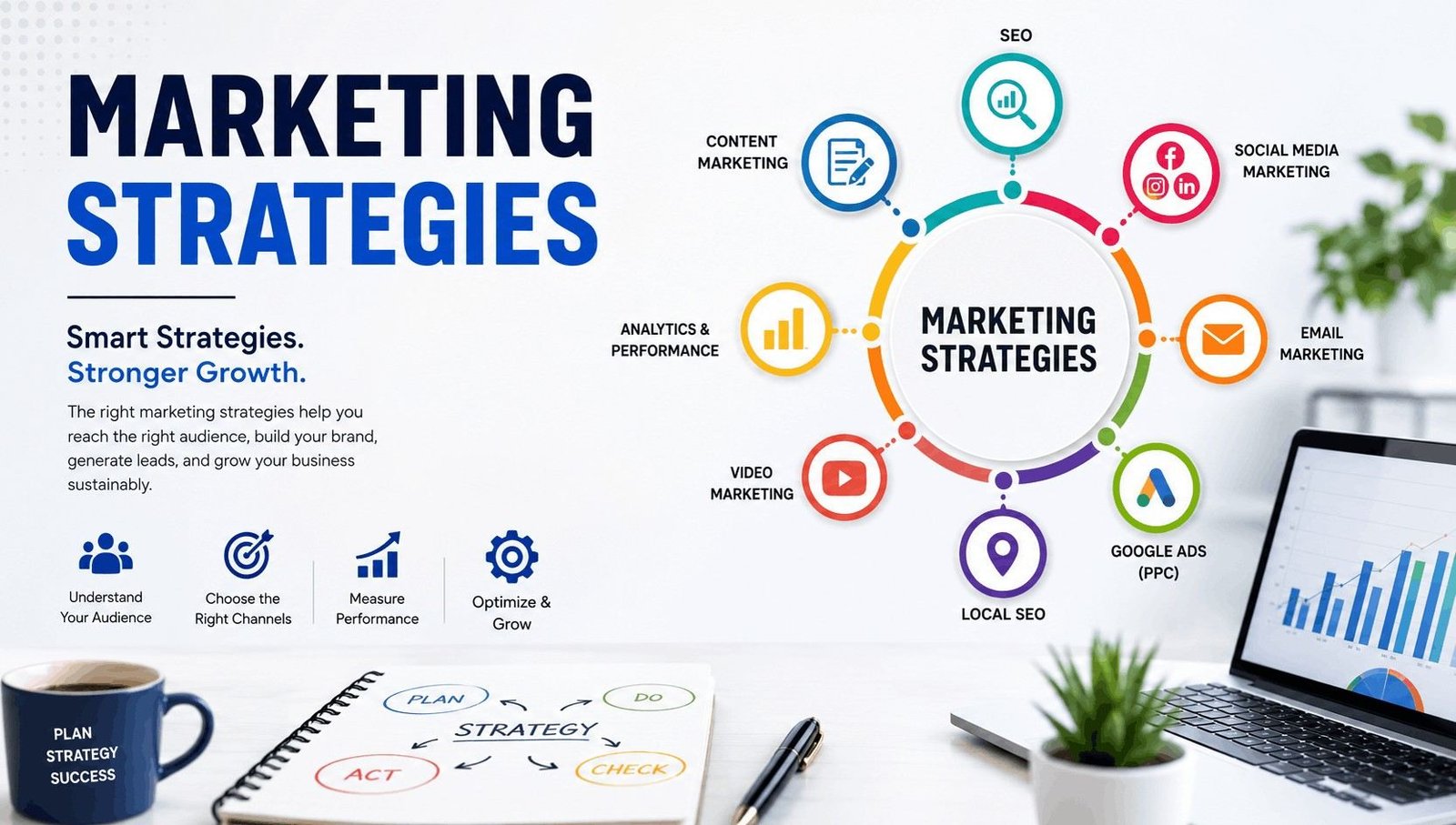
Marketing Strategies
Discover practical marketing strategies that can help businesses attract customers and improve their digital presence.
Read More →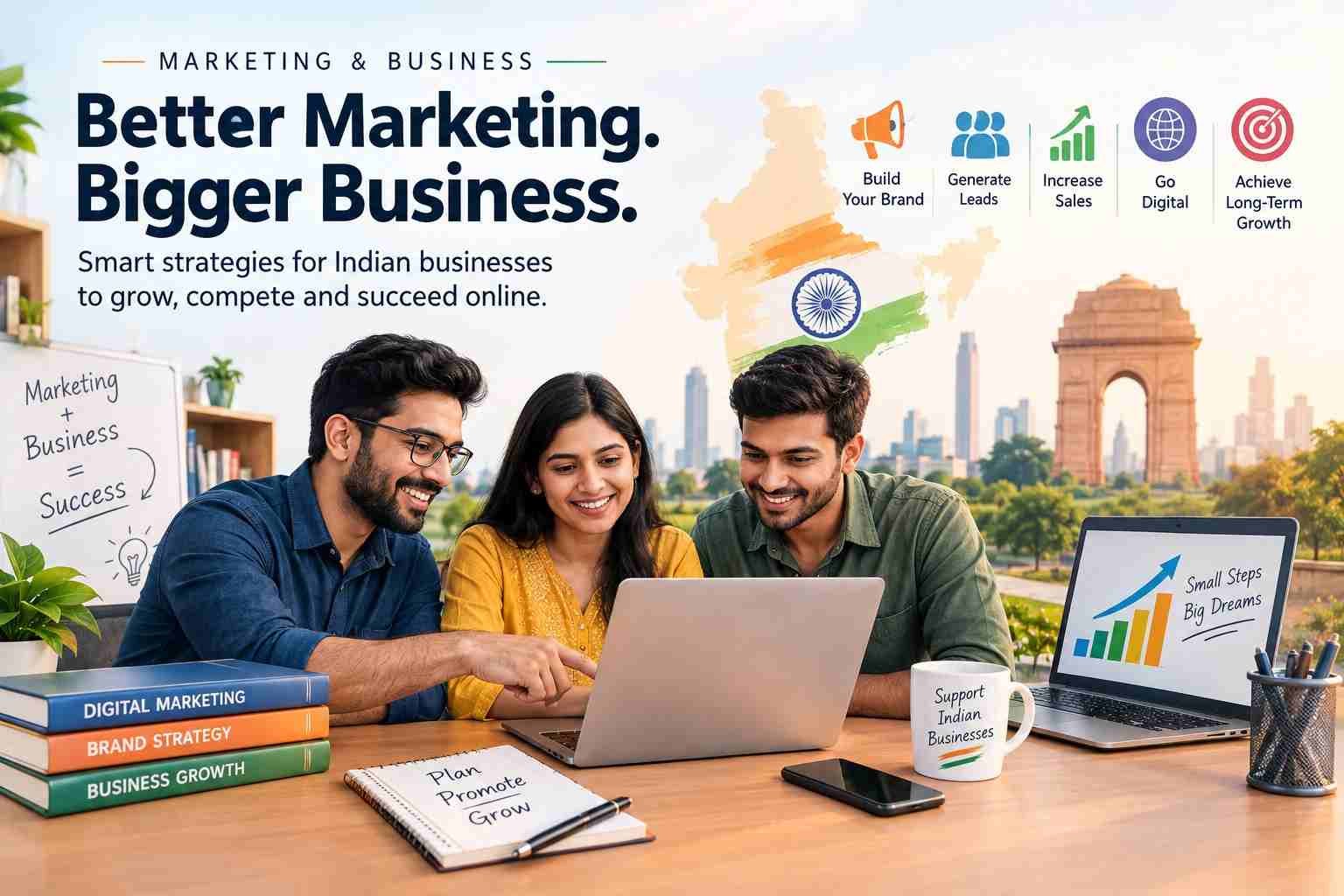
Marketing & Business
Learn practical marketing and business strategies that can help Indian startups and small businesses grow online.
Read More →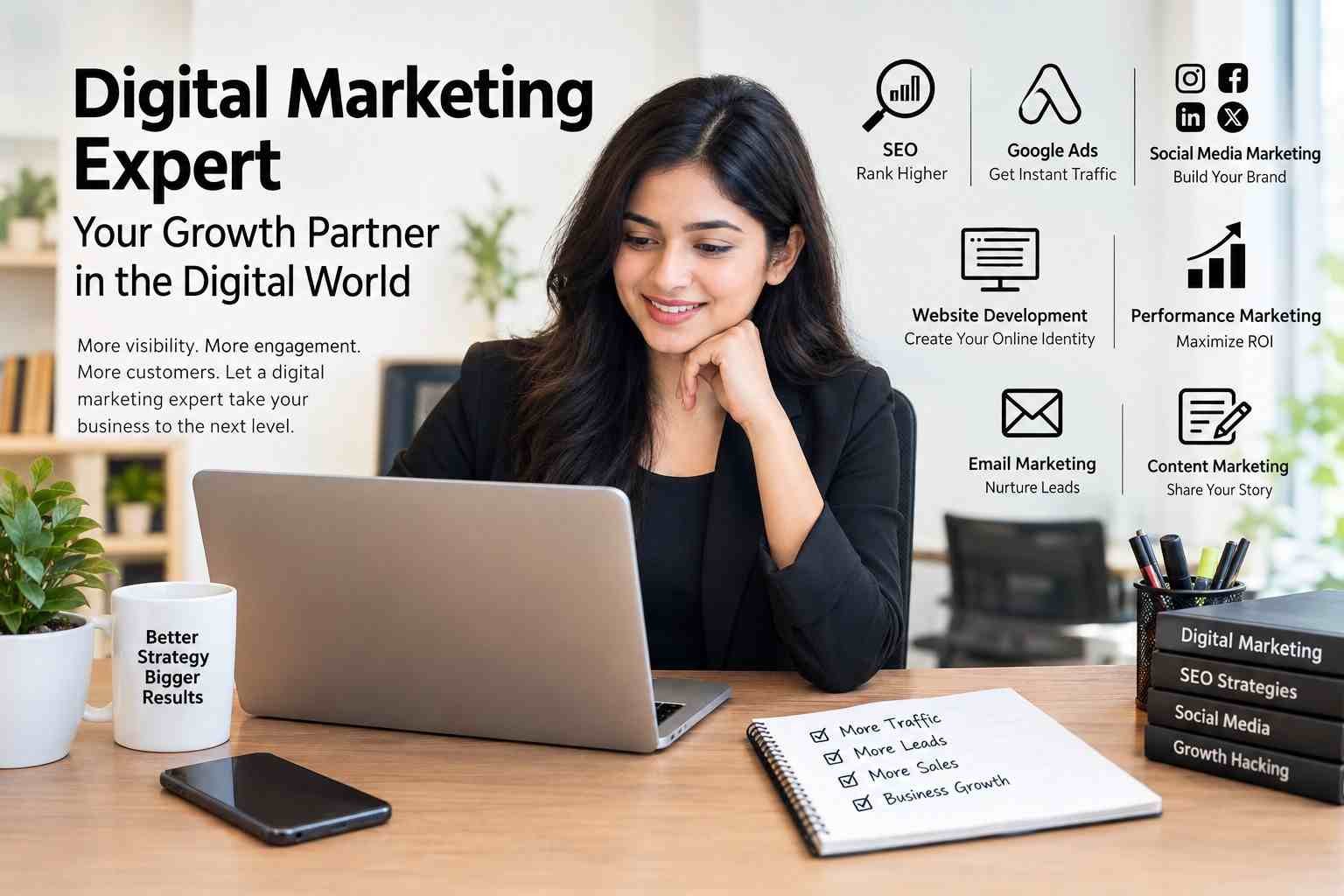
Digital Marketing Expert
Understand what a digital marketing expert does and how businesses can use digital marketing expertise to improve their online presence.
Read More →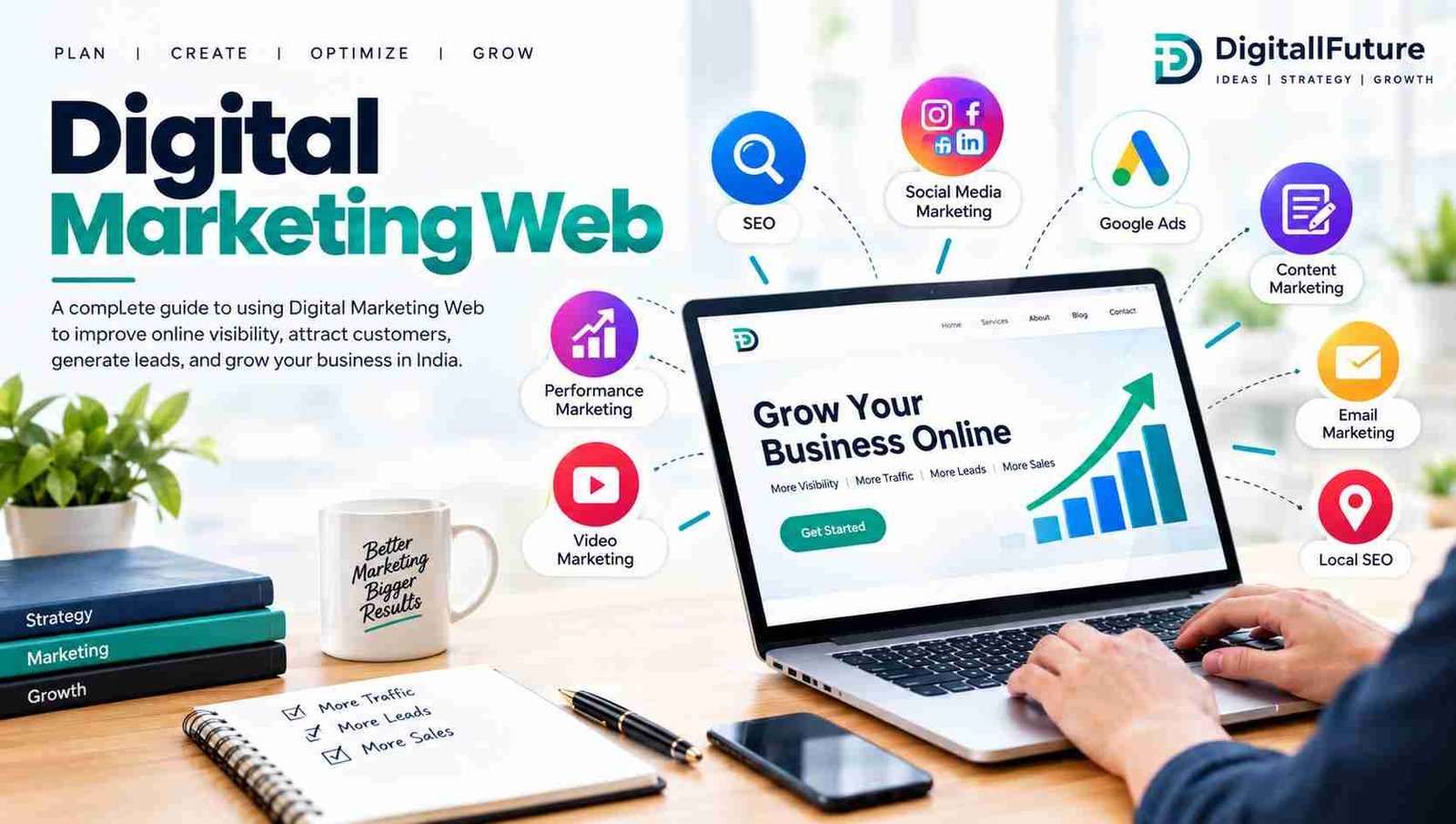
Digital Marketing Web
Explore the connection between websites, digital marketing and online business growth.
Read More →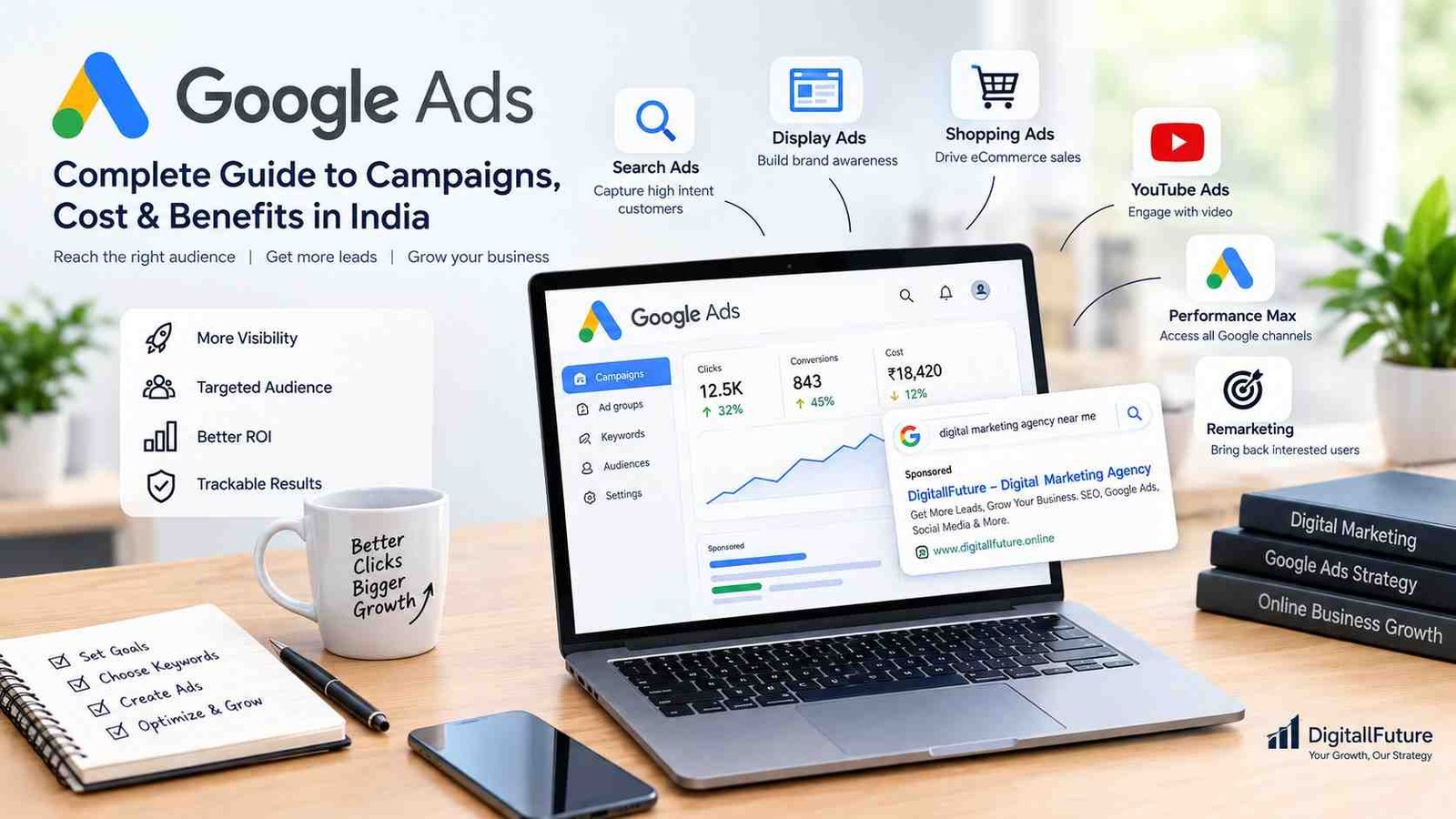
Google Ads
Learn how Google Ads works, how businesses can reach potential customers and how paid search supports digital marketing campaigns.
Read More →
Marketing Digital Marketing
Explore important digital marketing concepts, strategies and channels businesses can use to build their online presence.
Read More →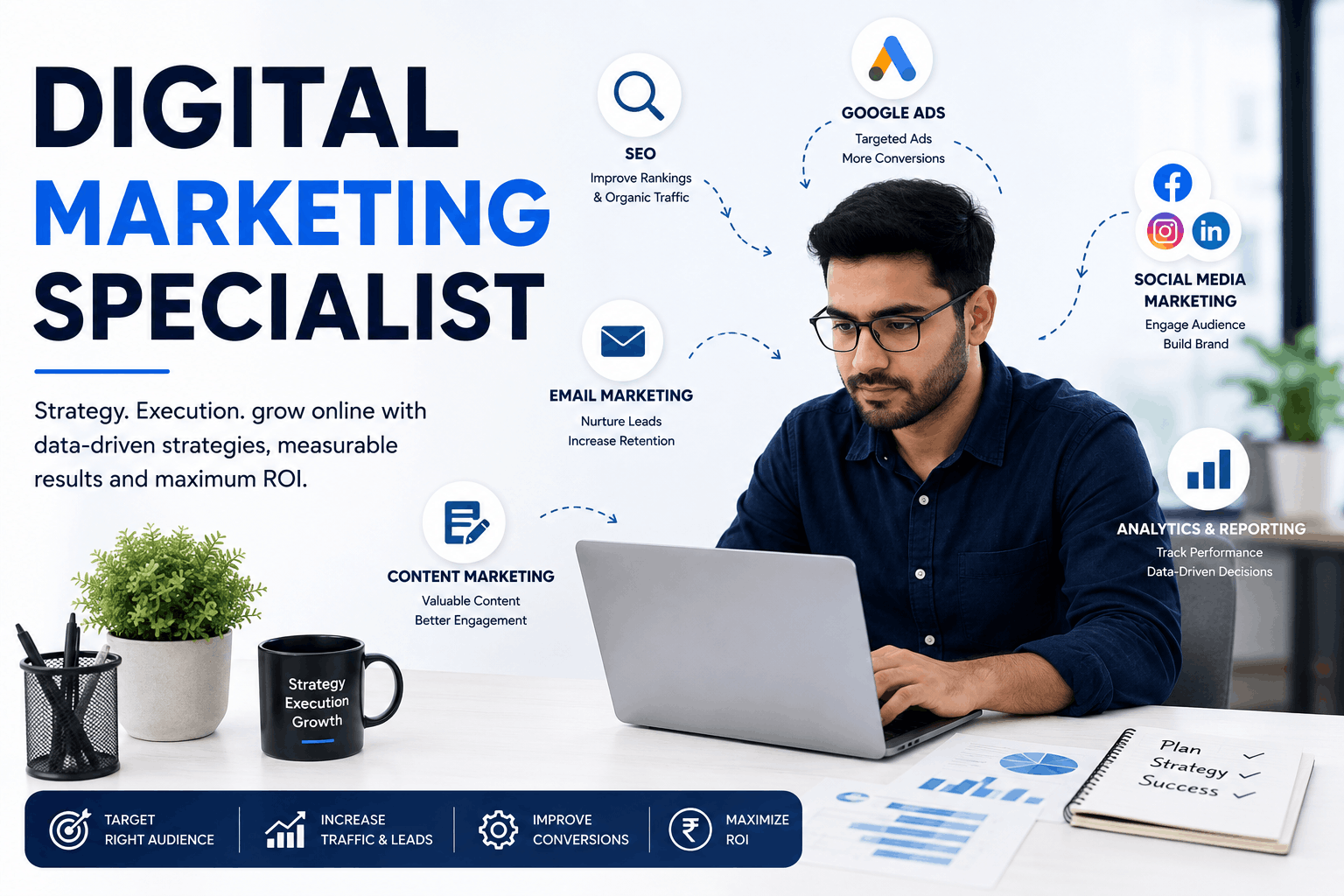
Digital Marketing Specialist
Learn about the role of a digital marketing specialist and the skills involved in modern online marketing.
Read More →