
Marketing & Business: Strategies to Grow Your Business in 2026
Discover practical marketing and business strategies that can help startups, entrepreneurs and small businesses build their brand, generate leads and achieve sustainable growth.
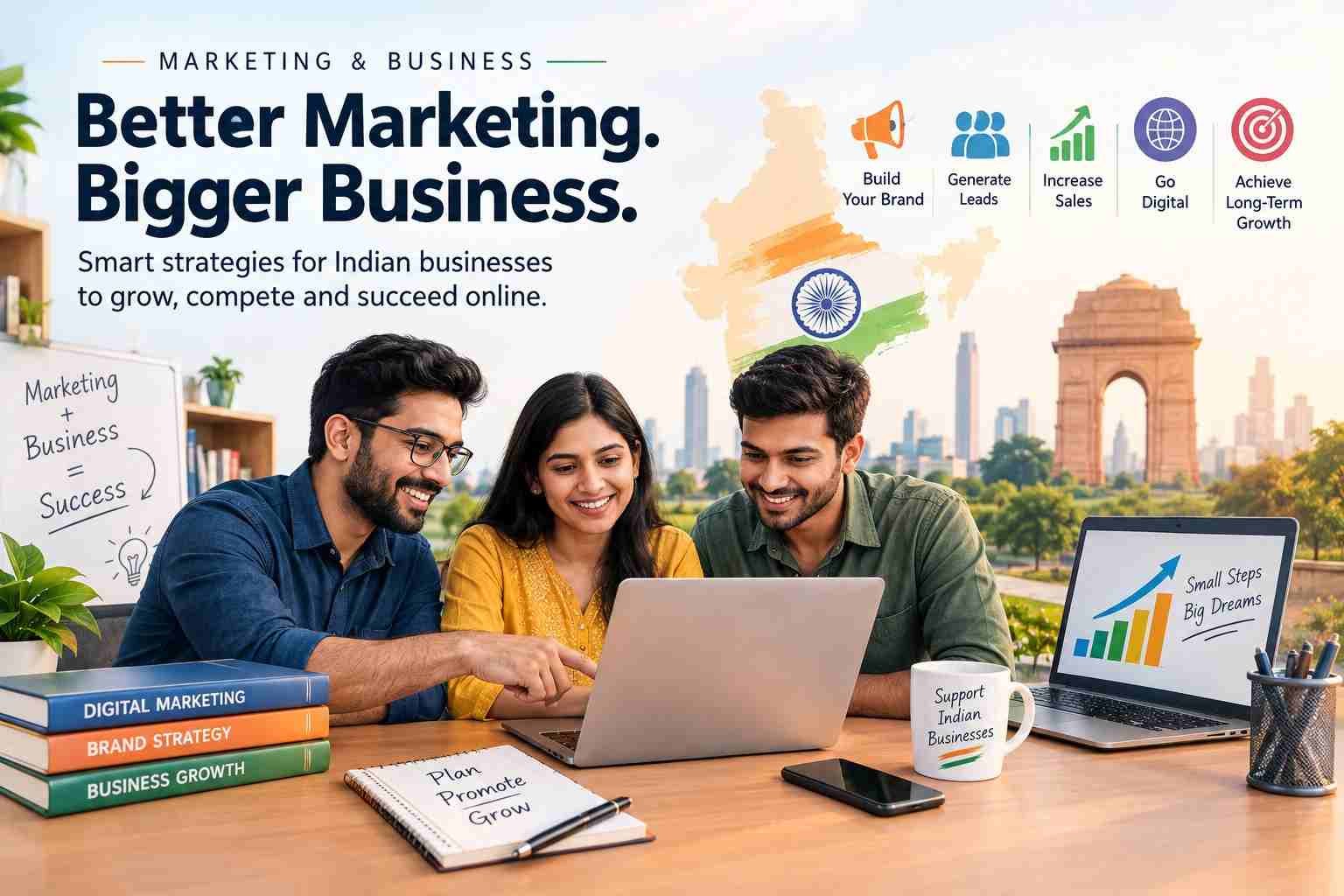
India’s business landscape is changing rapidly. From startups and local shops to e-commerce brands and growing service companies, businesses across India are using digital channels to reach customers, build their brands, and increase sales.
Marketing and business are closely connected. A great product or service is important, but it is not enough to guarantee business growth. Customers need to know that your business exists, understand what you offer, and have a reason to choose you over competitors.
This is where marketing and business strategy work together.
For startups, small businesses, entrepreneurs, and local businesses, effective marketing can help build brand awareness, attract potential customers, generate leads, and increase sales. Today, businesses have more marketing channels than ever before, including search engines, social media, websites, email, online advertising, and content marketing.
But having many channels does not mean you need to use all of them. The key is choosing the right marketing strategies for your business goals and target audience.
In this guide, we will explain the relationship between marketing and business, important marketing strategies, common mistakes, and how you can create a practical marketing strategy for your business.
What Is Marketing & Business?
Marketing & Business refers to the connection between promoting a company's products or services and achieving its overall business objectives.
Business focuses on creating value, serving customers, generating revenue, and building a sustainable company. Marketing helps communicate that value to the right audience.
For example, imagine you run a local café.
Your business provides food, drinks, and an experience to customers. Your marketing strategy could include:
- Creating an attractive website
- Optimizing your Google Business Profile
- Posting content on Instagram
- Running Google Ads
- Offering special promotions
- Collecting customer reviews
- Creating local SEO content
The business provides the product or service, while marketing helps bring potential customers to it.
This is why marketing should not be treated as something separate from business. It should support your larger business objectives.
Why Marketing Is Important for Business Growth
Marketing plays an important role in helping businesses compete and grow.
1. Builds Brand Awareness
Customers cannot choose your business if they do not know it exists.
Consistent marketing helps people recognize your brand and understand what your business offers.
A strong brand presence across search engines, social media, websites, and other platforms can make your business easier to remember.
2. Helps You Reach the Right Customers
Effective marketing is not about reaching everyone.
It is about reaching the people who are most likely to need your product or service.
For example, a local digital marketing company in Chandigarh may focus on startups, local businesses, and entrepreneurs in Chandigarh, Mohali, and Panchkula instead of targeting an unrelated global audience.
Knowing your audience makes your marketing more focused and efficient.
3. Generates Leads
Marketing can help turn people who are interested in your business into potential customers.
- Website enquiry forms
- Phone calls
- WhatsApp enquiries
- Consultation requests
- Newsletter registrations
- Product enquiries
A good marketing strategy should provide a clear path from awareness to enquiry and eventually to purchase.
4. Supports Sales
Marketing and sales should work together.
Marketing attracts potential customers and creates interest, while sales helps convert qualified prospects into paying customers.
For example, SEO may bring someone to your website, useful content may build trust, and a strong call-to-action may encourage that visitor to contact your business.
5. Helps Build Customer Relationships
Marketing does not stop after a customer makes a purchase.
Businesses can continue communicating with customers through email marketing, social media, useful content, loyalty programs, and personalized offers.
Strong customer relationships can encourage repeat purchases and referrals.
Important Marketing Strategies for Small Businesses
There is no single marketing strategy that works for every business. Your approach should depend on your industry, audience, budget, competition, and goals.
However, several strategies can provide a strong foundation.
1. Search Engine Optimization (SEO)
SEO helps your website become more visible when people search for relevant products, services, or information on search engines.
For example, a local business could target keywords related to its services and location.
A strong SEO strategy can include:
- Keyword research
- On-page SEO
- Technical SEO
- Local SEO
- Content creation
- Internal linking
- Website optimization
- Image optimization
SEO is particularly useful for businesses that want to attract customers who are already searching for their products or services.
2. Social Media Marketing
Social media provides businesses with an opportunity to communicate directly with their audience.
Platforms such as Instagram, Facebook, LinkedIn, and YouTube can be used to:
- Build brand awareness
- Share educational content
- Showcase products
- Answer customer questions
- Promote offers
- Build a community
The goal should not simply be to post every day.
Your content should have a purpose.
For example, you could create educational posts, customer stories, behind-the-scenes content, product demonstrations, and industry tips.
3. Content Marketing
Content marketing focuses on creating useful information that attracts and educates your target audience.
Examples include:
- Blog posts
- Guides
- Videos
- Infographics
- Case studies
- Social media posts
- Tutorials
Suppose you own a website development company.
Instead of only saying, "We build websites," you could publish content explaining how a fast website improves user experience, what businesses should look for in a website, or how much website development may cost.
This type of content can help demonstrate your knowledge while attracting people interested in your services.
4. Google Ads and Paid Advertising
Paid advertising can help businesses reach potential customers quickly.
Google Ads can target people who are actively searching for specific products or services, while social media advertising can target audiences based on characteristics and interests available through the advertising platform.
Paid marketing can be useful when businesses want:
- Faster visibility
- Website traffic
- Leads
- Sales
- Product promotion
- Local enquiries
However, running advertisements without tracking results can waste money.
Businesses should monitor metrics such as clicks, conversions, cost per lead, and return on advertising spend where appropriate.
5. Local SEO
For businesses serving a specific geographic area, local SEO can be extremely valuable.
A local business can optimize its online presence around searches relevant to its location.
For example:
Digital Marketing Services in Mohali
Local SEO activities can include optimizing business listings, creating location-relevant content, earning genuine reviews, and maintaining consistent business information across relevant platforms.
6. Email Marketing
Email marketing allows businesses to communicate directly with people who have voluntarily shared their email addresses.
Businesses can use email to send:
- Newsletters
- Product updates
- Educational content
- Offers
- Event information
- Follow-up messages
Email marketing can be particularly useful for nurturing leads and maintaining relationships with existing customers.
How Digital Marketing Supports Business Growth
Digital marketing has become an important part of modern business strategy because customers increasingly use digital channels to discover, research, compare, and interact with businesses.
Different digital marketing channels can support different stages of this journey.
SEO can help with discovery.
Content marketing can help with education.
Social media can build awareness and relationships.
Paid advertising can generate targeted traffic.
A well-designed website can convert visitors into enquiries.
Analytics can help businesses understand what is working.
The most effective approach is often not choosing one channel, but creating a strategy where different channels support each other.
How to Create a Marketing Strategy for Your Business
Creating a marketing strategy does not have to be complicated.
Follow these practical steps.
Step 1: Define Your Business Goal
Start by deciding what you want to achieve. Your goal could be to increase sales, generate more leads, increase website traffic, build brand awareness, enter a new market, increase local customers, or launch a new product.
Step 2: Understand Your Target Audience
Ask yourself: "Who is my ideal customer?" Think about their needs, problems, interests, location, buying behavior, and expectations.
Step 3: Research Your Competitors
Competitor research can help you understand what other businesses are doing. Look at their websites, social media presence, content, SEO visibility, advertising, offers, customer reviews, strengths, and weaknesses.
Step 4: Choose the Right Marketing Channels
Do not automatically use every platform. Choose channels based on where your target customers spend time and how they search for solutions.
Step 5: Create Valuable Content
Content should answer customer questions and solve problems. Ask yourself: "What information would help my potential customer make a better decision?"
Step 6: Track Your Results
Marketing decisions should be based on data whenever possible. Track website visitors, organic traffic, leads, conversion rate, cost per lead, advertising clicks, engagement, sales, and customer acquisition cost.
Common Marketing Mistakes Businesses Should Avoid
Even a good marketing strategy can fail if basic mistakes are repeated.
Focusing Only on Selling
If every post or advertisement says "Buy now," customers may lose interest. Balance promotional content with educational and useful content.
Trying to Be Everywhere
Being active on ten platforms is not necessarily better than being excellent on two or three. Focus on channels that matter to your audience.
Ignoring SEO
A beautiful website is not very useful if potential customers cannot find it. SEO should be considered as part of your long-term online strategy.
Not Tracking Results
Without measurement, you may continue spending money on activities that are not producing meaningful results.
Inconsistent Branding
Your website, social media profiles, advertisements, and other marketing channels should communicate a consistent brand identity.
Giving Up Too Quickly
Some marketing strategies, particularly SEO and content marketing, can take time to build momentum. Businesses should evaluate performance regularly instead of abandoning a strategy too quickly.
Marketing & Business: The Importance of Consistency
One of the biggest differences between businesses that market occasionally and businesses that grow their online presence consistently is execution.
You do not necessarily need a huge marketing budget.
You need a clear strategy, valuable content, accurate targeting, consistent execution, and regular measurement.
For example, a small business could start with:
- One optimized website
- A focused SEO strategy
- Three useful social media posts each week
- A monthly blog
- Local SEO
- Basic analytics tracking
As results improve, the business can gradually expand its marketing activities.
The goal is sustainable growth rather than spending money simply to stay visible.
When Should You Hire a Digital Marketing Expert?
Business owners often try to manage marketing themselves, especially during the early stages.
That can work when the business is small and the marketing requirements are limited.
However, professional support may become useful when you need help with:
- SEO
- Google Ads
- Social media marketing
- Website development
- Performance marketing
- Analytics
- Lead generation
- Conversion optimization
- Marketing strategy
A Digital Marketing Expert can help identify opportunities, develop a strategy, manage campaigns, analyze performance, and improve marketing activities over time.
The right professional should understand your business goals rather than simply recommend random marketing services.
Frequently Asked Questions
What is the relationship between marketing and business?
Marketing helps businesses communicate their value, reach potential customers, generate demand, build relationships, and support sales. Business strategy determines the larger objectives, while marketing helps achieve those objectives through customer-focused activities.
What are the best marketing strategies for small businesses?
Some useful strategies include SEO, local SEO, social media marketing, content marketing, email marketing, Google Ads, and a conversion-focused website. The best combination depends on your audience, industry, location, budget, and business goals.
Is digital marketing important for business growth?
Yes. Digital marketing can help businesses reach customers through search engines, websites, social media, email, and online advertising. It also provides opportunities to measure traffic, engagement, leads, and conversions.
How much should a small business spend on marketing?
There is no universal marketing budget that works for every business. Your budget should depend on your revenue, goals, competition, customer acquisition costs, and available resources.
How long does marketing take to produce results?
The timeline depends on the marketing channel and business. Paid advertising can generate traffic quickly, while SEO, content marketing, and brand building generally require more time and consistency.
Should I hire a marketing expert or do marketing myself?
If you have the time and knowledge, you can manage some marketing activities yourself. However, hiring a digital marketing expert can be useful when you need specialized knowledge, better campaign management, strategic guidance, or more time to focus on running your business.
Conclusion
Marketing and business should work together.
A strong business needs more than a good product or service. It needs a way to communicate its value, reach the right customers, build trust, and turn attention into meaningful business results.
For startups and small businesses, the best approach is not always to spend more. It is to market smarter.
Start by defining your business goals, understanding your audience, researching competitors, selecting the right channels, creating valuable content, and tracking your results.
Whether you focus on SEO, social media, Google Ads, content marketing, local SEO, or performance marketing, consistency and measurement are essential.
If you want to build a stronger online presence and create a marketing strategy designed around your business goals, professional guidance can help you move in the right direction.
Ready to Grow Your Business?
Get professional guidance to build a stronger online presence and create a marketing strategy around your business goals.
Get a Free Marketing & Business ConsultationWhat is marketing and business?
Marketing and business are connected activities where marketing helps a business promote its products or services, reach the right audience, generate leads, build customer relationships, and support sales. A successful marketing strategy should align with the company's overall business goals.
Explore More Marketing Resources
Similar Posts
Explore more digital marketing, business, advertising and growth guides from DigitallFuture.
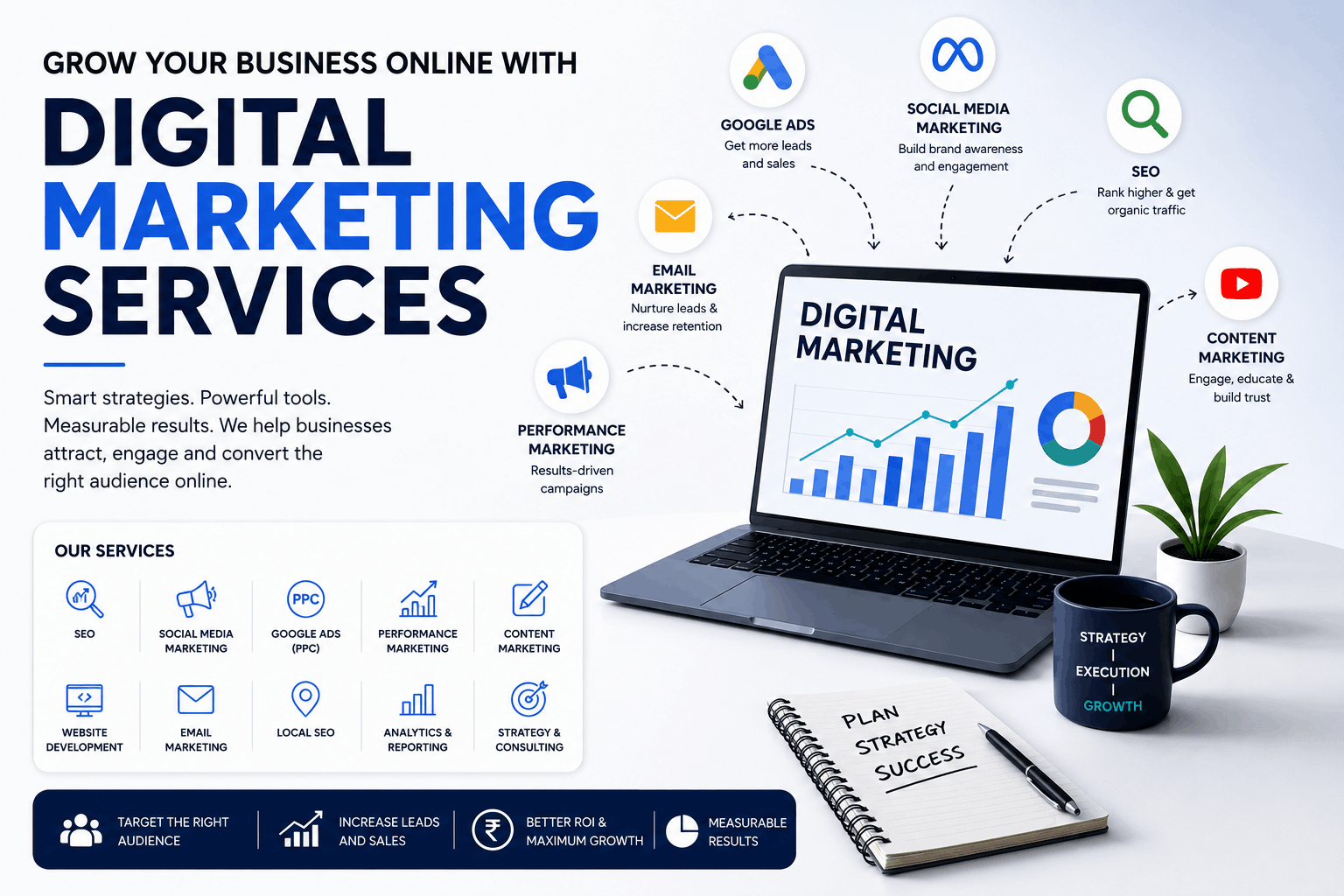
Digital Marketing Services
Discover important digital marketing services businesses can use to improve their online presence and generate more customers.
Read More →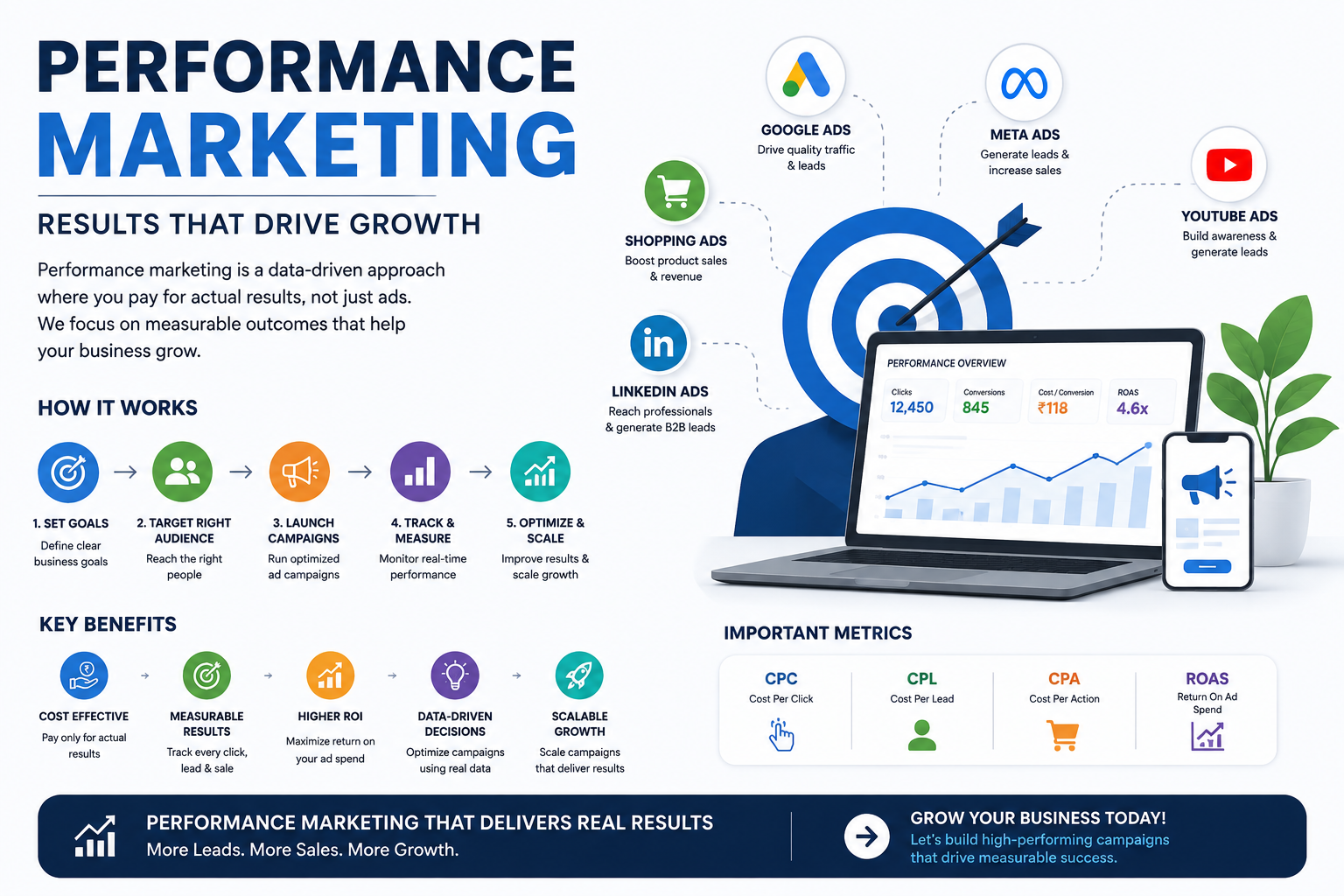
Performance Marketing
Learn how performance marketing can help businesses generate leads, increase conversions and improve advertising performance.
Read More →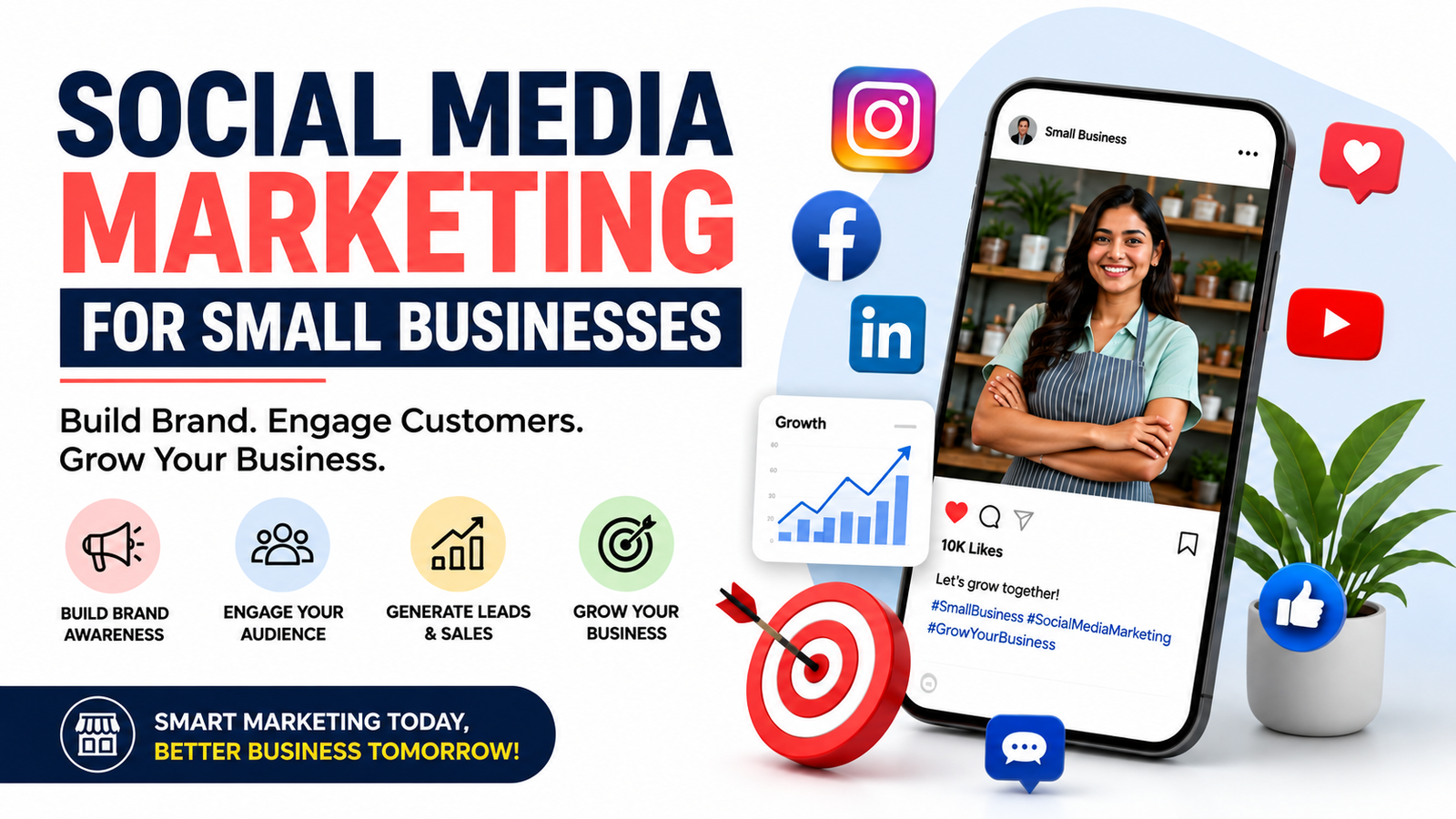
Social Media and Marketing
Learn how social media marketing can help startups and small businesses build their brand and reach more customers.
Read More →
Digital Ads
Learn how digital advertising can help your business reach the right audience and generate more qualified leads.
Read More →
Freelance Digital Marketing
Learn how freelance digital marketing can help businesses build their online presence and attract more customers.
Read More →
Marketing Strategies
Discover practical marketing strategies that can help businesses attract customers and improve their digital presence.
Read More →
Marketing & Business
Learn practical marketing and business strategies that can help Indian startups and small businesses grow online.
Read More →
Digital Marketing Expert
Understand what a digital marketing expert does and how businesses can use digital marketing expertise to improve their online presence.
Read More →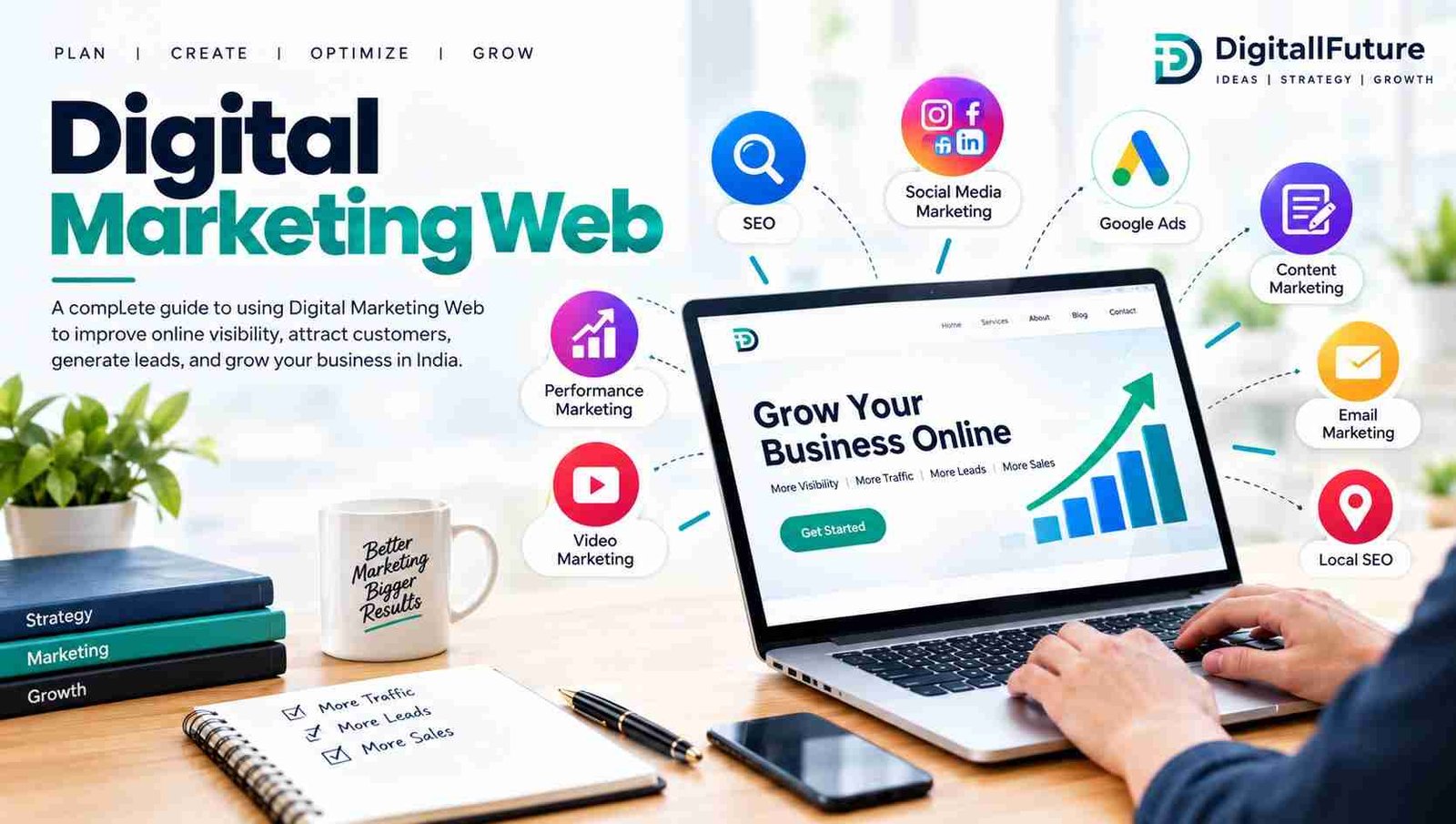
Digital Marketing Web
Explore the connection between websites, digital marketing and online business growth.
Read More →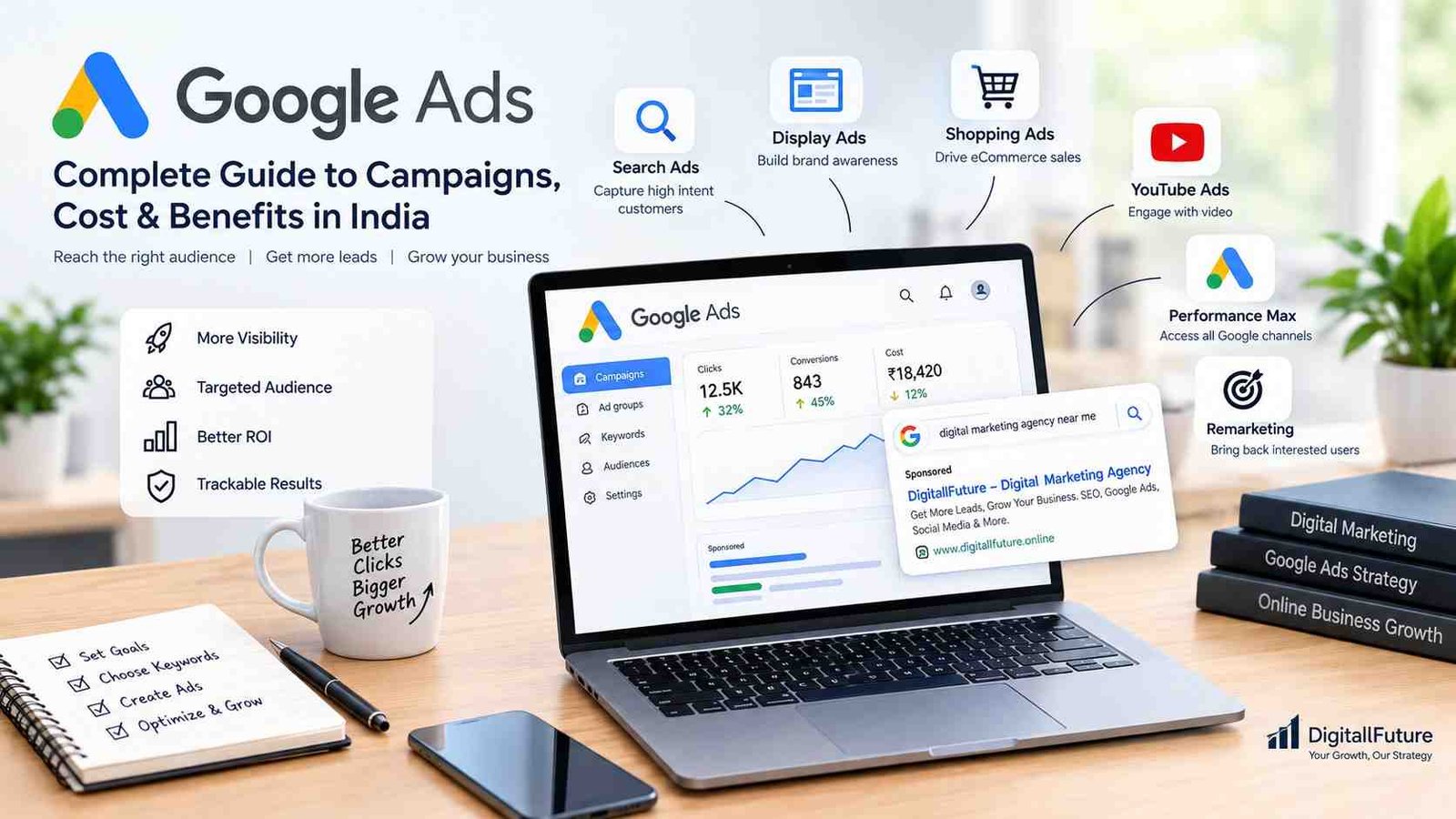
Google Ads
Learn how Google Ads works, how businesses can reach potential customers and how paid search supports digital marketing campaigns.
Read More →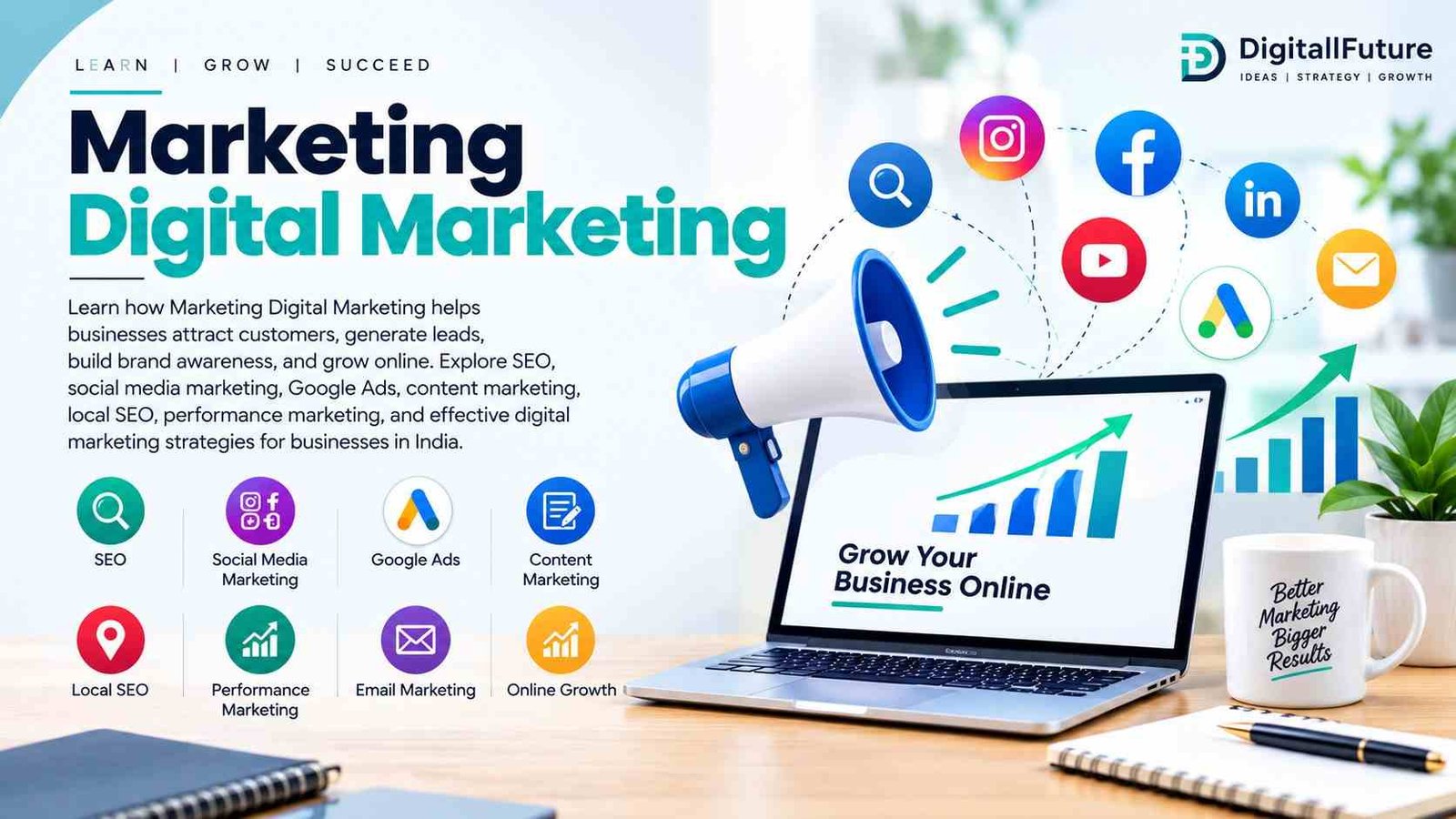
Marketing Digital Marketing
Explore important digital marketing concepts, strategies and channels businesses can use to build their online presence.
Read More →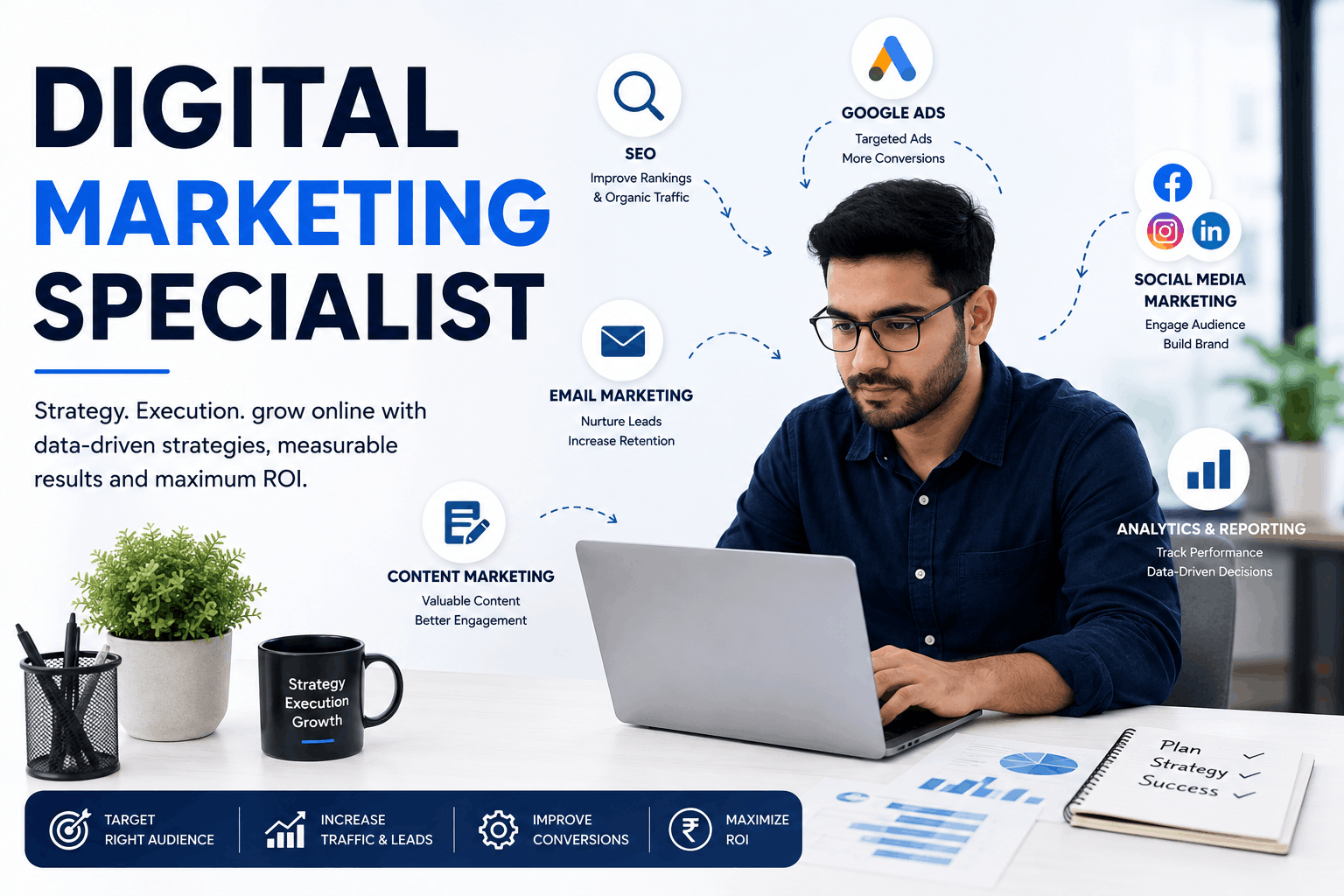
Digital Marketing Specialist
Learn about the role of a digital marketing specialist and the skills involved in modern online marketing.
Read More →